Acne is one of the most common skin conditions, yet it’s surrounded by numerous myths. These misconceptions can make it difficult to know how to treat acne effectively, and many people unknowingly follow advice that may do more harm than good. Here, dermatologists debunk some of the most common acne myths and provide clarity on what really works.
Myth #1: Eating Greasy Food Causes Acne
While it’s a widely believed notion, eating greasy foods like pizza or fries does not directly cause acne. Acne is largely influenced by hormones, genetics, and skincare routines. However, touching your face after eating oily foods can transfer grease onto the skin, which may lead to breakouts. To keep your skin clear, focus on maintaining a balanced diet and a proper skincare routine.
Myth #2: Acne Only Affects Teenagers
Acne is often associated with adolescence, but adults can also experience breakouts well into their 30s, 40s, and beyond. Hormonal fluctuations, stress, and certain skincare products can contribute to adult acne. Dermatologists recommend using gentle, acne-fighting treatments suitable for all ages and seeking professional help if over-the-counter options aren’t enough.
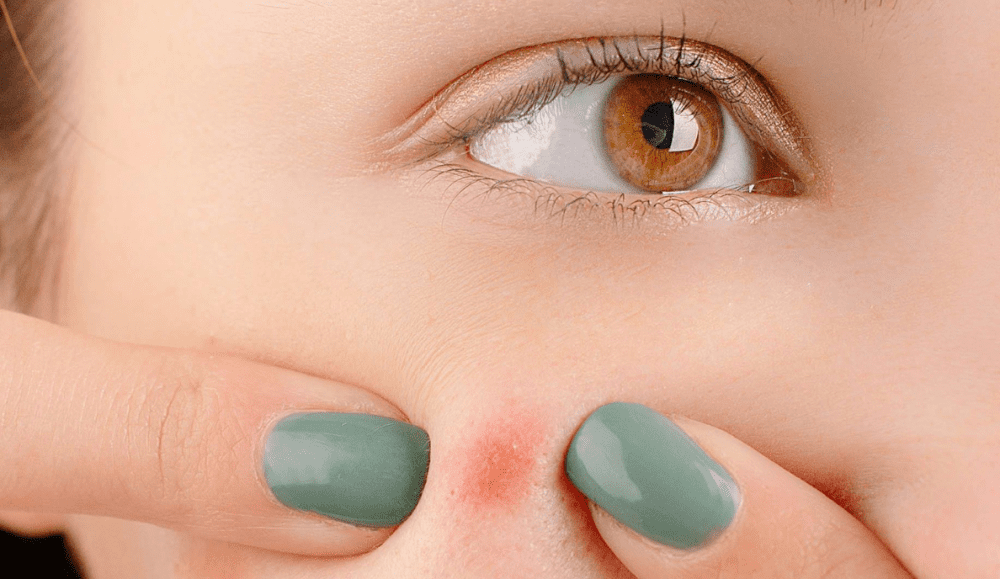
Myth #3: Popping Pimples Makes Them Go Away Faster
Popping a pimple may seem like a quick fix, but it can actually worsen the situation. Squeezing pimples pushes bacteria deeper into the skin, increasing inflammation and the risk of scarring. Instead, dermatologists recommend using topical treatments with salicylic acid or benzoyl peroxide to reduce the size of the breakout without causing further damage.
Myth #4: Acne Is Caused by Dirty Skin
Acne is not a result of poor hygiene. In fact, over-washing or using harsh cleansers can strip your skin of its natural oils, leading to irritation and more breakouts. Acne is caused by clogged pores, excess oil production, bacteria, and inflammation. Stick to a gentle cleanser twice a day and avoid scrubbing your skin too hard.
Myth #5: Sunscreen Makes Acne Worse
Many people with acne-prone skin avoid sunscreen, fearing it will clog their pores and cause breakouts. However, sun exposure can worsen acne and lead to dark spots or scarring. Look for non-comedogenic sunscreens designed for sensitive or acne-prone skin to protect your complexion without causing flare-ups.
Busting the Myths for Clearer Skin
Acne can be frustrating, but understanding the facts can help you manage it more effectively. If you’re struggling with breakouts, it’s always best to consult a dermatologist for professional advice and tailored treatment options. At SINY Dermatology, we’re here to help you achieve healthier skin. Visit our website to learn more, or call us at 718-491-5800 to schedule a consultation today. Let’s bust these acne myths together and clear the path to better skin!